
Anxiety is one of the most common mental health challenges people face today. Whether it shows up as a racing heart before a big meeting, persistent worry that keeps you awake at night, or a general sense of unease that follows you through the day, it is a real and often exhausting experience. The good news is that there are proven, evidence-backed ways to reduce anxiety naturally without reaching for a prescription bottle.
This guide walks you through the most effective, science-supported strategies to calm your nervous system, build emotional resilience, and reclaim a sense of peace in your daily life.
Before exploring solutions, it helps to understand the mechanism behind anxiety. When your brain perceives a threat, real or imagined, it triggers the body’s fight-or-flight response. Cortisol and adrenaline flood your system, your heart rate increases, your muscles tense, and your breathing shallows.
The problem in modern life is that this ancient survival response gets activated by non-life-threatening situations: work deadlines, social interactions, financial pressure, or even a notification on your phone. Over time, a chronically activated stress response wears down your mental and physical health.
Natural interventions work by directly targeting this stress response, calming the nervous system, rebalancing brain chemistry, and building long-term emotional resilience.
One of the most immediate and underrated tools available to you is your own breath. Slow, intentional breathing activates the parasympathetic nervous system, the branch responsible for rest, digestion, and calm.
The 4-7-8 breathing technique is particularly effective:
Repeat this four to five times. Within minutes, your heart rate slows, and cortisol levels begin to drop. This is not a placebo; it is physiology. Practicing this technique daily, not just during anxious moments, trains your nervous system to operate from a calmer baseline.
Exercise is arguably the most powerful natural antidepressant and anti-anxiety tool available. When you engage in physical activity, your brain releases endorphins, serotonin, and dopamine neurotransmitters that directly counteract anxiety and elevate mood.
Studies consistently show that as little as 30 minutes of moderate aerobic exercise, three to five times per week, can significantly reduce anxiety symptoms. This includes brisk walking, cycling, swimming, or jogging.
Equally effective for anxiety is yoga, which combines physical movement with breathwork and mindfulness, three evidence-backed anxiety-reduction practices in one. Even a 20-minute yoga session has been shown to lower cortisol levels and improve mood immediately after practice.
The key is consistency. Exercise does not need to be intense or time-consuming. What matters is making it a non-negotiable part of your weekly routine.
Mindfulness, the practice of observing your thoughts and feelings without judgment, is one of the most well-researched ways to reduce anxiety naturally. It works by breaking the cycle of anxious thinking, which often involves either replaying the past or catastrophizing the future.
Mindfulness-Based Stress Reduction (MBSR), a structured 8-week program developed at the University of Massachusetts, has demonstrated consistent, measurable reductions in anxiety across numerous clinical studies.
You do not need a formal program to begin. Start with just five to ten minutes of daily meditation using a guided app such as Headspace, Calm, or Insight Timer. Over weeks and months, this practice rewires the brain, literally reducing the size and reactivity of the amygdala, the brain’s fear center.
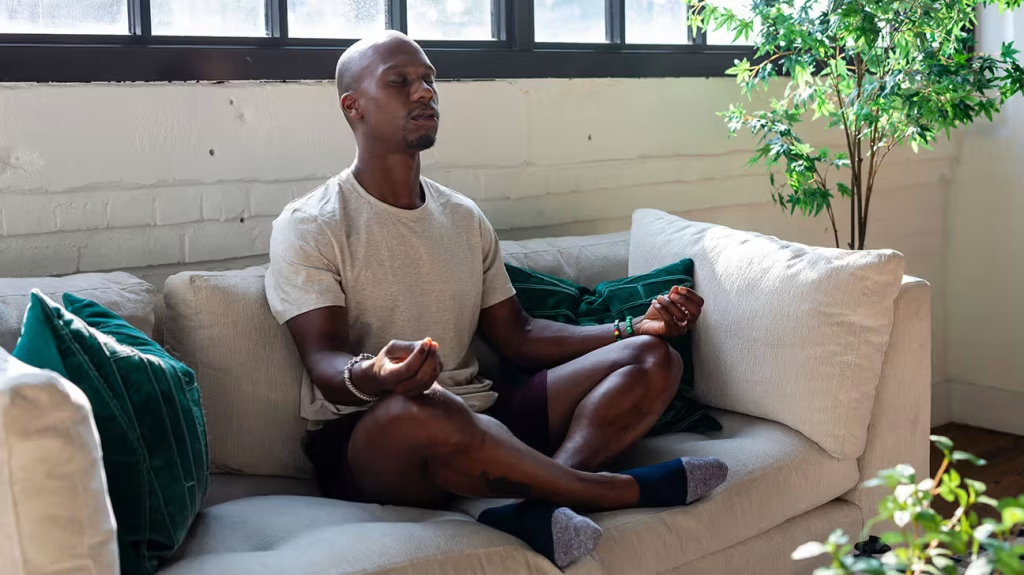
A simple starting practice: sit comfortably, close your eyes, and focus entirely on the sensation of your breath entering and leaving your body. When your mind wanders, gently bring it back. That act of returning attention, repeated over time, is the practice.
Anxiety and poor sleep exist in a vicious cycle: anxiety makes it harder to sleep, and sleep deprivation makes anxiety significantly worse. Breaking this cycle is essential.
Adults need between seven and nine hours of quality sleep per night. To improve sleep naturally:
When your body is well-rested, your emotional regulation improves dramatically, making anxiety far easier to manage.
The gut-brain connection is one of the most fascinating areas of modern neuroscience. Approximately 90% of the body’s serotonin, the neurotransmitter most associated with feelings of well-being, is produced in the gut, not the brain.
A diet high in processed foods, refined sugar, and alcohol disrupts gut microbiome balance and directly worsens anxiety symptoms. On the other hand, a diet rich in whole foods supports both physical and mental health.
Focus on including:
Reducing caffeine and alcohol intake is equally important. Both substances, despite offering short-term relief, significantly increase anxiety over time.

Chronic isolation is a known amplifier of anxiety. Human beings are inherently social creatures, and meaningful connections have a measurable, calming effect on the nervous system.
This does not mean you need a large social circle. Even one or two trusted relationships where you feel genuinely heard and supported can make a profound difference. Make a deliberate effort to invest in those connections through regular conversations, shared activities, or simply being present with people who ground you.
If anxiety has become severe or is significantly interfering with your daily life, consider working with a licensed therapist. Cognitive Behavioural Therapy (CBT) in particular has strong clinical evidence as a natural, non-pharmacological approach to managing anxiety. It helps you identify and reframe the distorted thought patterns that fuel anxious responses.
Learning to reduce anxiety naturally is not about finding a single solution — it is about building a lifestyle that supports a calm, regulated nervous system. Breathing, movement, sleep, nutrition, mindfulness, and connection are not minor lifestyle tweaks. They are the foundational pillars of mental resilience.
Start with one or two changes. Be consistent. Give yourself time. The path to a calmer mind is not a single dramatic shift; it is the quiet, steady accumulation of better daily habits.
You have more power over your anxiety than you may realize. The tools are within reach.