

Testosterone is more than just a “male hormone.” It’s the biological engine behind your energy, muscle mass, mental clarity, libido, mood, and long-term health. Yet millions of men today are walking around with suboptimal levels, and most don’t even know it.
Fatigue that doesn’t go away. Stubborn belly fat. Low motivation. Declining strength despite working out. Sound familiar?
The good news: you don’t need injections or synthetic hormones to take back control. There are proven, science-backed methods to increase testosterone levels naturally starting today.
Before diving into solutions, it helps to understand the problem. Testosterone levels naturally peak in your late teens and early twenties, then gradually decline by about 1–2% per year after age 30. But lifestyle factors are accelerating this decline far beyond what’s natural:
The result? A hormonal environment that works against you. But the body is remarkably responsive to the right inputs.
Resistance training is one of the most powerful tools available to increase testosterone levels naturally. The key is compound, multi-joint movements that recruit large muscle groups:
Research consistently shows that heavy resistance training with short rest periods (60–90 seconds) produces the greatest acute testosterone response. Aim for 3–5 strength training sessions per week, focusing on progressive overload, gradually increasing the weight or volume over time.
Cardio has its place, but chronic endurance training (marathon-level volume) has been shown to suppress testosterone in some men. Balance is key.
The majority of your daily testosterone is produced during deep sleep, particularly in REM cycles. Cutting sleep short is the equivalent of turning off your body’s testosterone factory.
Target 7–9 hours of quality sleep per night. Strategies that help:
This single habit can make a dramatic difference, particularly for men who are currently sleeping less than 6 hours.
Your diet is the raw material your body uses to produce testosterone. Without the right building blocks, output suffers.
Prioritize these nutrients:
Avoid or minimize: excessive sugar, alcohol, ultra-processed foods, and soy-heavy diets. These create an environment that actively suppresses hormonal production.
Cortisol and testosterone have an inverse relationship. When one rises, the other falls. In our modern, always-on world, many men are running chronically elevated cortisol, and their testosterone is suffering for it.
Proven stress management strategies:
Addressing stress isn’t “soft.” It’s strategic. Reducing chronic cortisol is one of the fastest ways to increase testosterone levels without changing anything else.
Lorem ipsum dolor sit amet, consectetur adipiscing elit. Ut elit tellus, luctus nec ullamcorper mattis, pulvinar dapibu
Excess body fat, particularly visceral fat around the abdomen, contains high levels of aromatase, an enzyme that converts testosterone into estrogen. The more body fat you carry, the more testosterone you lose to this conversion process.
The solution isn’t crash dieting (which actually lowers testosterone). Instead:
Even a 5–10% reduction in body weight can meaningfully shift your hormonal balance in the right direction.
s leo.
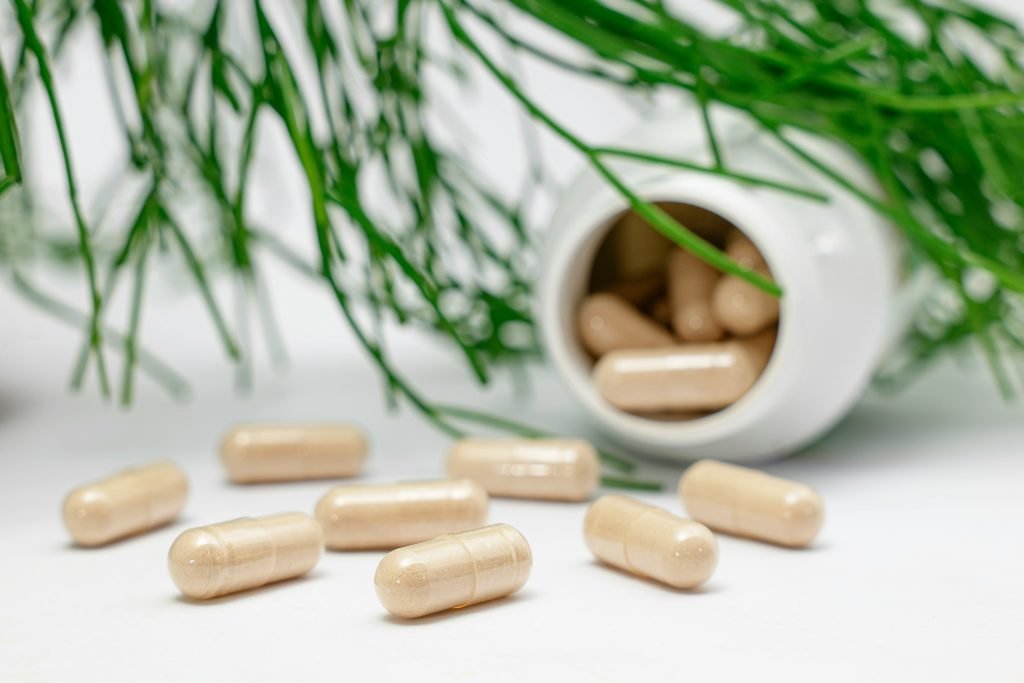
While no supplement replaces lifestyle fundamentals, certain evidence-backed options can support your efforts to increase testosterone levels:
Always choose third-party tested supplements from reputable brands, and consult a healthcare provider before starting any new regimen.
Alcohol is one of the most underappreciated testosterone suppressors. Even moderate drinking (3–4 drinks) causes a measurable drop in testosterone that can last 24 hours. Heavy or frequent drinking causes longer-term hormonal disruption.
Environmental toxins called endocrine disruptors are another hidden culprit:
Practical swaps: use glass or stainless steel containers, buy organic when possible, and review your personal care products.
Here’s what most guides miss: these strategies work synergistically. Better sleep reduces cortisol. Lower cortisol allows more testosterone to be produced. More testosterone supports muscle building. More muscle increases metabolic rate. Lower body fat reduces aromatization. More free testosterone improves motivation to train and sleep better.
It’s a virtuous cycle, and it starts with one decision to take action.
If you’re serious about optimizing your hormonal health, the strategies above are your foundation. But getting the right guidance, whether it’s a personalized supplement protocol, a training plan designed around hormonal optimization, or professional testing, can accelerate your results significantly.