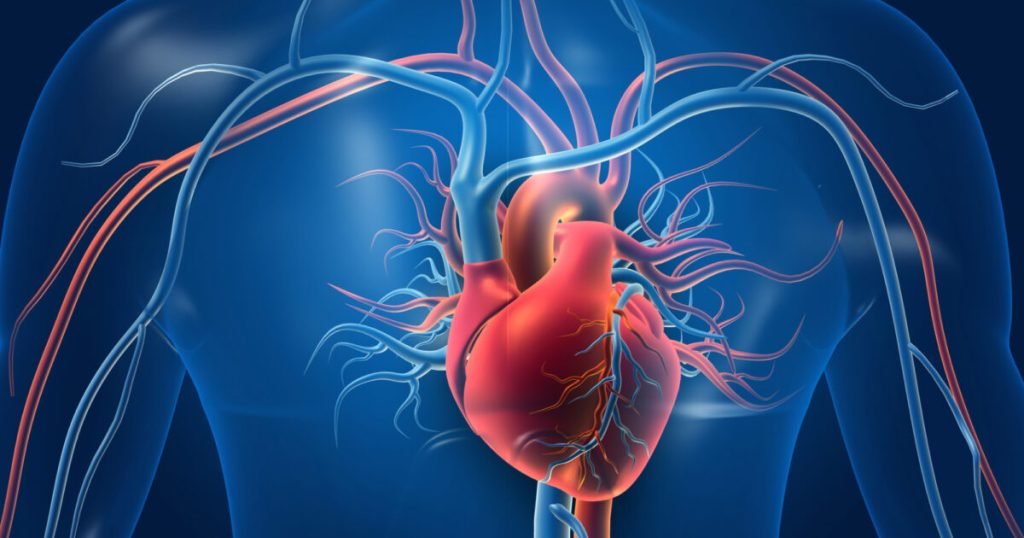
In healthcare, there is a powerful idea that has the potential to transform both individual lives and entire health systems: prevention is better than cure. Most of the chronic diseases that cause the greatest suffering and healthcare costs worldwide, including heart disease, type 2 diabetes, stroke, and several cancers, are largely preventable. They do not appear overnight. They develop over the years, shaped by daily habits and lifestyle choices. This means that the decisions you make today, consistently and repeatedly, will determine much of your health 10, 20, and 30 years from now.
Preventive health is the practice of taking deliberate action to reduce your risk of illness and detect any problems as early as possible. Here is a comprehensive guide to the most important preventive strategies you can adopt right now.
Know Your Numbers
One of the most powerful preventive tools is regular health monitoring. Certain key numbers reveal your risk for serious conditions long before you feel any symptoms. These include blood pressure, blood sugar, cholesterol levels, and body mass index.
High blood pressure, also known as the silent killer, rarely causes symptoms until it has already caused damage to your heart, arteries, kidneys, or brain. High cholesterol similarly produces no obvious signs. Pre-diabetes affects millions of people who have no idea they are on the path to full diabetes. Regular blood tests and check-ups give you the information you need to intervene early, when lifestyle changes are most effective.
Talk to your doctor about which screenings are appropriate for your age, sex, and family history. Then follow through consistently.
Vaccinations Are Preventive Medicine
Vaccines are among the most cost-effective and powerful preventive health tools available. They protect not only you but also the people around you who may be too young, too old, or too sick to protect themselves.
Beyond childhood vaccinations, adults need booster shots and new vaccines throughout life. These include annual influenza vaccines, tetanus boosters every ten years, shingles vaccines for adults over 50, pneumonia vaccines for older adults, and HPV vaccines for younger adults who were not vaccinated as teenagers.
Speak with your doctor about which vaccines you are due for based on your age and health history. Staying current with vaccinations is one of the simplest and most effective things you can do for your long-term health.
Maintain a Healthy Weight
Excess body weight, particularly excess abdominal fat, is associated with dramatically increased risk of type 2 diabetes, heart disease, high blood pressure, sleep apnea, joint problems, and several types of cancer. The relationship is dose-dependent, meaning the more excess weight you carry, the higher your risk.
Achieving and maintaining a healthy weight does not require extreme dieting. It requires consistent lifestyle habits: eating a whole-food-based diet, engaging in regular physical activity, getting adequate sleep, and managing stress. These behaviours work together to regulate your metabolism and hunger hormones naturally.
Even modest weight loss, as little as five to ten percent of your body weight, significantly reduces risk for many chronic conditions in people who are overweight.
Do Not Skip Cancer Screenings
Many cancers are highly treatable, especially when caught early. Regular cancer screenings can detect abnormalities before they become dangerous, dramatically improving survival rates. The screenings recommended for most adults include mammograms for breast cancer, Pap smears and HPV tests for cervical cancer, colonoscopies for colorectal cancer, and skin checks for skin cancer.
Lung cancer screening using low-dose CT scans is recommended for heavy smokers in a certain age range. Prostate cancer screening with PSA tests is a conversation worth having with your doctor if you are a man over 50.
Follow the screening schedule recommended by your healthcare provider and do not put off these appointments due to fear or inconvenience. Finding cancer early saves lives.
Manage Stress Before It Manages You
Chronic stress is a major driver of preventable illness. When your body is under constant stress, it releases cortisol and other stress hormones that, over time, damage your heart, suppress your immune system, disrupt your sleep, increase inflammation, and contribute to weight gain.
Managing stress proactively is a genuine preventive health strategy. Regular physical exercise is one of the most effective stress relievers available. Mindfulness meditation, even practiced for just ten minutes a day, reduces cortisol levels and improves emotional resilience. Strong social relationships buffer the effects of stress. Adequate sleep makes you significantly more resilient to daily stressors.
Identify your primary stress sources and build coping strategies around them. Do not wait until you are burned out to start addressing stress.