Mouthwash: A Helpful Addition
Mouthwash is not a replacement for brushing or flossing, but it is a useful addition to your routine. An antibacterial mouthwash helps kill bacteria that contribute to plaque, gum disease, and bad breath. A fluoride mouthwash adds an extra layer of enamel protection.
Use mouthwash after brushing and flossing. Swish for 30 to 60 seconds and then spit. Avoid eating or drinking for 30 minutes afterward to let the active ingredients do their work. If you have specific dental concerns, ask your dentist which type of mouthwash is best for you.
The Diet-Dental Health Connection
What you eat significantly impacts the health of your teeth and gums. Sugar is the number one dietary enemy of dental health. When bacteria in your mouth break down sugar, they produce acids that attack tooth enamel and cause decay. This is why frequent sugar consumption, especially in the form of sugary drinks, candy, and baked goods, dramatically increases cavity risk.
Acidic foods and drinks like citrus juices, sodas, and vinegar-based products can also erode enamel over time. You do not need to avoid these entirely, but limit their frequency and rinse your mouth with water afterward.
On the positive side, certain foods actively support dental health. Cheese and yogurt contain calcium and casein, which strengthen enamel. Crunchy vegetables like carrots and celery stimulate saliva production, which neutralizes acid. Nuts are rich in minerals that support tooth structure. Green and black teas contain compounds that suppress harmful oral bacteria.
Protecting Your Gums
Gum disease, also called periodontal disease, is one of the most common health conditions in the world and one of the most underestimated. It starts as gingivitis, a mild inflammation of the gums characterized by redness, swelling, and bleeding during brushing. If left untreated, it progresses to periodontitis, which damages the bone and tissue supporting your teeth and can lead to tooth loss.
Warning signs of gum disease include red or swollen gums, bleeding when brushing or flossing, persistent bad breath, gum recession, and loose teeth. If you notice any of these signs, see your dentist promptly.
Prevention is straightforward. Brush and floss consistently, avoid smoking (which is one of the biggest risk factors for gum disease), and attend regular dental cleanings.
The Importance of Regular Dental Visits
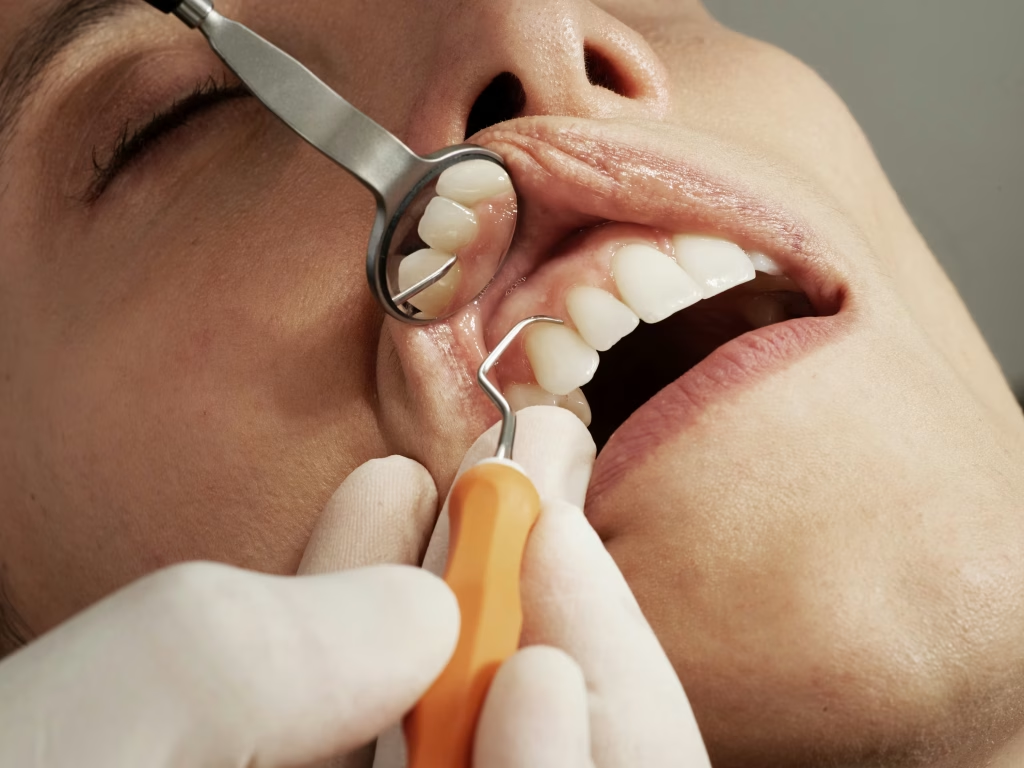
Professional dental care is essential, even for people with excellent home hygiene habits. Your dentist and dental hygienist can remove hardened tartar that brushing and flossing cannot address, check for cavities in their early stages, screen for oral cancer, and identify gum disease before it progresses.
Most people benefit from dental check-ups every six months. If you have a history of gum disease, cavities, or other dental issues, your dentist may recommend more frequent visits. Do not let cost or dental anxiety be a reason to skip appointments. Many dental practices offer payment plans, and catching small problems early is always less expensive than treating advanced ones.
Dental Health for Every Life Stage
Dental care needs change throughout life. Children need help learning proper brushing technique and should see a dentist by age one or when the first tooth appears. Teenagers with braces need extra care to clean around hardware. Adults over 40 face an increasing risk of gum recession, root exposure, and dry mouth, especially those on certain medications. Older adults may deal with increased tooth sensitivity and the effects of decades of wear.
Pregnancy also affects dental health. Hormonal changes during pregnancy can increase the risk of gum disease, which has been linked to preterm birth. Pregnant women should maintain their dental appointments and inform their dentist of their pregnancy.
Breaking Habits That Harm Your Teeth
Several common habits cause significant dental damage over time. Using your teeth to open packaging or bite nails puts stress on enamel. Grinding your teeth at night, known as bruxism, wears down enamel and causes jaw pain. Chewing ice creates micro-fractures in teeth. Drinking through a straw reduces acid contact with teeth, but only when you hold the straw away from your teeth.
If you grind your teeth, talk to your dentist about a custom night guard. If you have any habits that put stress on your teeth, now is a great time to work on replacing them.